
The Evolution of USPS Mailbox Standards: From 4B to 4C
The History of USPS Mailbox Standards
The mailbox is a simple yet symbolic fixture that has witnessed the evolution of communication across America. From handwritten letters to today’s booming e-commerce packages, the USPS mailbox has seen it all. Its changing standards encapsulate more than just design innovations—they chronicle the story of a nation’s communication transformation. Join us as we unravel the journey of USPS mailbox standards, highlighting how they’ve kept pace with the times to ensure every piece of mail and package finds its way home securely.
| Year | Mailbox Standard | Key Features |
|---|---|---|
| 1980s | 4A | Basic lock mechanisms, single-layer metal, limited size adjustments |
| 1990s | 4B | Enhanced durability, multiple compartment sizes, introduction of parcel lockers in some models |
| Early 2000s | 4B+ | Improved security features, weather resistance, and better support for parcel deliveries |
| 2010-Present | 4C | High-security locks, spacious compartments for package deliveries, ADA compliance, and corrosion-resistant materials |
The United States Postal Service (USPS) has been the cornerstone of American communication for centuries. As the demand for mail and package delivery has grown and diversified, so too have the regulations. Over the years, USPS mailbox standards have evolved to adapt to changing user needs and to address concerns related to safety, security, and accessibility.
The 1980s: 4A Mailboxes
In the 1980s, the USPS introduced 4A mailboxes. These were basic structures characterized by simple lock mechanisms, single-layer metal construction, and limited size adjustments. While they served the primary purpose of keeping mail relatively secure, they lacked the sophistication required for the growing mail volume of subsequent decades.
The 1990s: 4B Mailboxes
By the 1990s, as mail delivery began to change, 4B mailboxes emerged. They offered enhanced durability, multiple compartment sizes, and the introduction of parcel lockers in some models. This evolution reflected the early need for mailboxes to adapt to a growing reliance on catalog and early e-commerce deliveries.
The Early 2000s: 4B+ Mailboxes
As the new millennium dawned, 4B+ mailboxes became the standard. These units featured improved security, better weather resistance, and enhanced support for the rising tide of parcel deliveries. However, as package sizes continued to grow, the limitations of the 4B+ design became apparent.
The Modern Era: STD-4C Mailboxes (2010–Present)
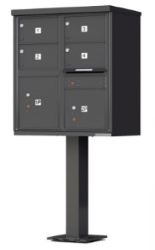
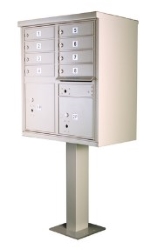
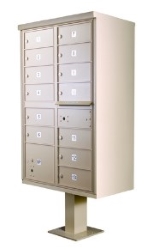
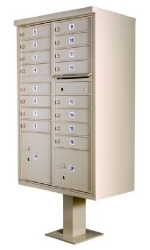
The present decade has seen the rise of STD-4C mailboxes. These modern structures come with high-security locks, spacious horizontal compartments designed specifically for package deliveries, and strict adherence to the Americans with Disabilities Act (ADA). With e-commerce dominating the shopping landscape, these mailboxes ensure users don’t miss out on online purchases.
Why Did USPS Transition from 4B+ to 4C?
The transition from USPS STD 4B+ to USPS STD 4C was not arbitrary; it was a necessary response to the e-commerce boom. The older 4B+ models featured narrow, vertical tenant doors that simply could not accommodate modern magazines, large envelopes, or small parcels. The USPS mandated STD-4C mailboxes for all new multi-family residential construction and major renovations because their horizontal orientation provides significantly larger compartment sizes. Additionally, 4C standards enforce stricter ADA compliance, ensuring that mail retrieval is accessible to all residents, and mandate higher-grade, corrosion-resistant materials for long-term durability. If you are planning a new build, it is critical to review the latest new construction mailbox requirements to avoid costly compliance issues.
Ideal Settings for STD-4C Mailboxes
STD-4C mailboxes are well-suited for a variety of settings due to their versatile, modular design. These settings include:
The thoughtful design of STD-4C mailboxes streamlines mail delivery, optimizing the efficiency of mail carriers while ensuring the security and accessibility of mail for recipients. Ready to upgrade? Explore our full range of 4C horizontal mailboxes to find the perfect configuration for your property.
Frequently Asked Questions About USPS Mailbox Standards
What are the current USPS mailbox standards for new construction?
The current USPS mailbox standards mandate the use of STD-4C mailboxes for all new multi-family residential construction and major renovations. These standards ensure larger compartment sizes, enhanced security, and strict ADA accessibility compliance.
Can I still install 4B+ mailboxes in a new building?
No. The USPS no longer approves 4B+ mailboxes for new construction or major renovations. If you attempt to install older USPS STD 4B+ models, your local Postmaster will likely reject the installation, delaying your certificate of occupancy. You must use compliant STD-4C mailboxes.
What is the main difference between 4B+ and STD-4C mailboxes?
The primary difference is compartment orientation and size. Older 4B mailboxes and 4B+ models featured narrow, vertical doors that could not accommodate modern parcels. STD-4C mailboxes require horizontal doors that are significantly larger, more secure, and better suited for today’s mail and package volume.
Are 4C mailboxes required for all new apartment buildings?
Yes. If you are building a new apartment complex, condo, or any multi-family residence with centralized mail delivery, STD-4C mailboxes are a strict USPS requirement. You can review the detailed 4C mailbox specifications to ensure your architectural plans are fully compliant.
Do STD-4C mailboxes meet ADA compliance requirements?
Yes. A major driver behind the evolution of USPS mailbox standards was accessibility. Modern STD-4C mailboxes are designed with specific height and reach requirements to ensure they are fully compliant with the Americans with Disabilities Act (ADA), making mail retrieval safe and easy for all residents.
Where can I find the official USPS guidelines for mailbox installation?
We provide comprehensive documentation for architects, contractors, and property managers. In addition to our guides, you can always verify the latest federal regulations directly through the USPS approval requirements page on our website.
Looking Back and Forward: The USPS Mailbox Story
The progression from 4A to 4C mailboxes showcases USPS’s commitment to adaptability and user convenience. Each phase has been a reflection of changing dynamics in mail delivery, security, and user needs. USPS’s dedication to innovation suggests the mailbox will remain an essential fixture in American homes and businesses as we look toward the future.

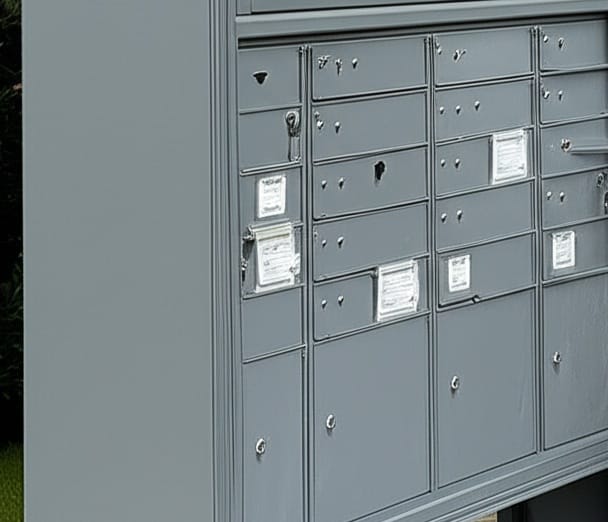
Commercial
USPS delivery & private delivery
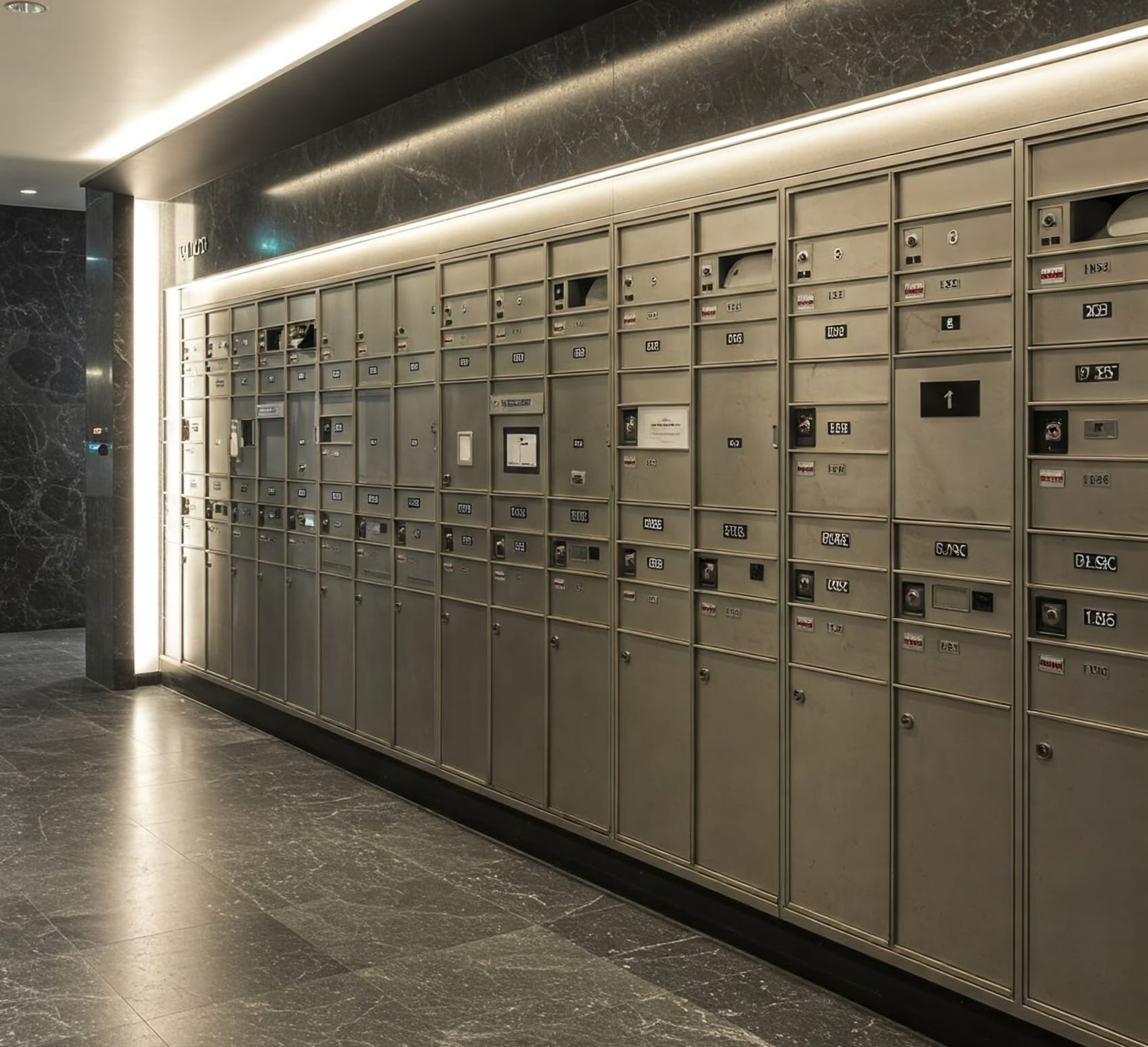
Indoor
Invest in quality
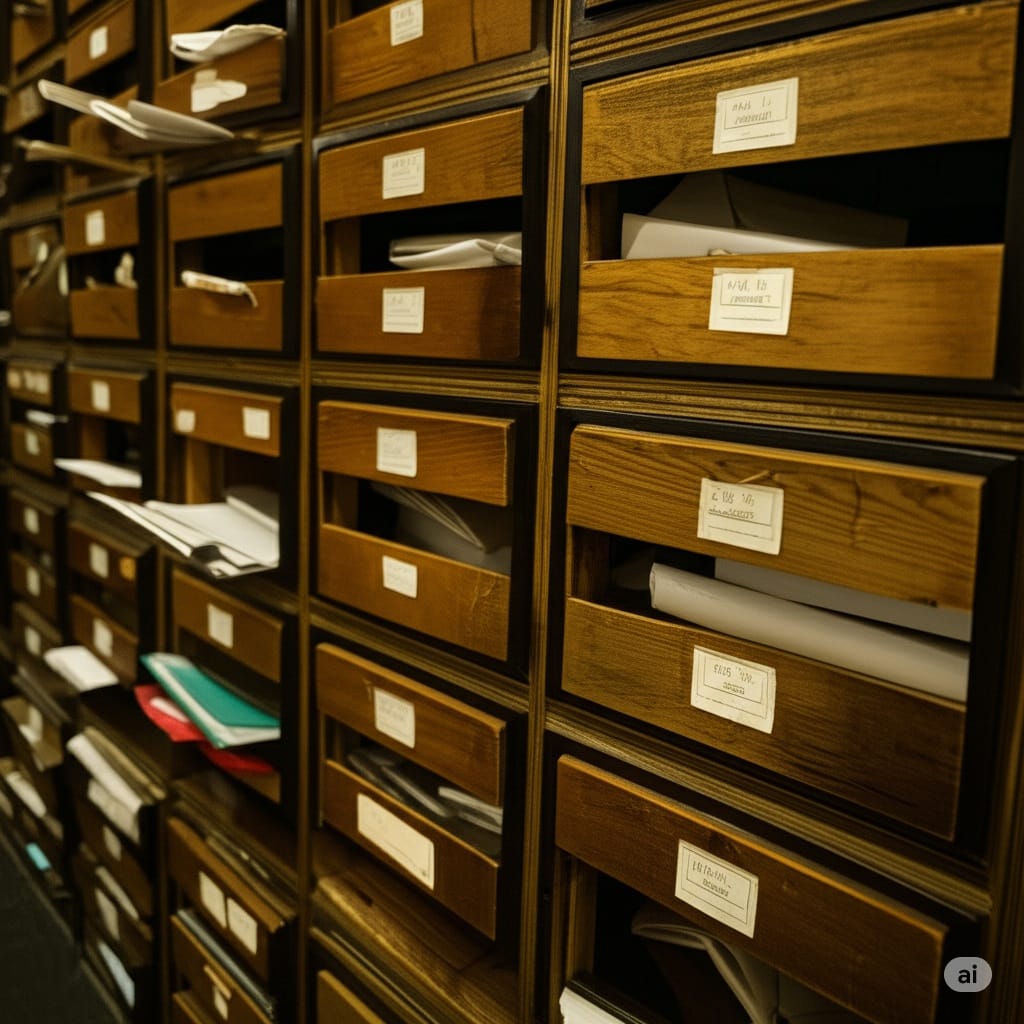
Mailroom
Totes, shelves, sorters, and more
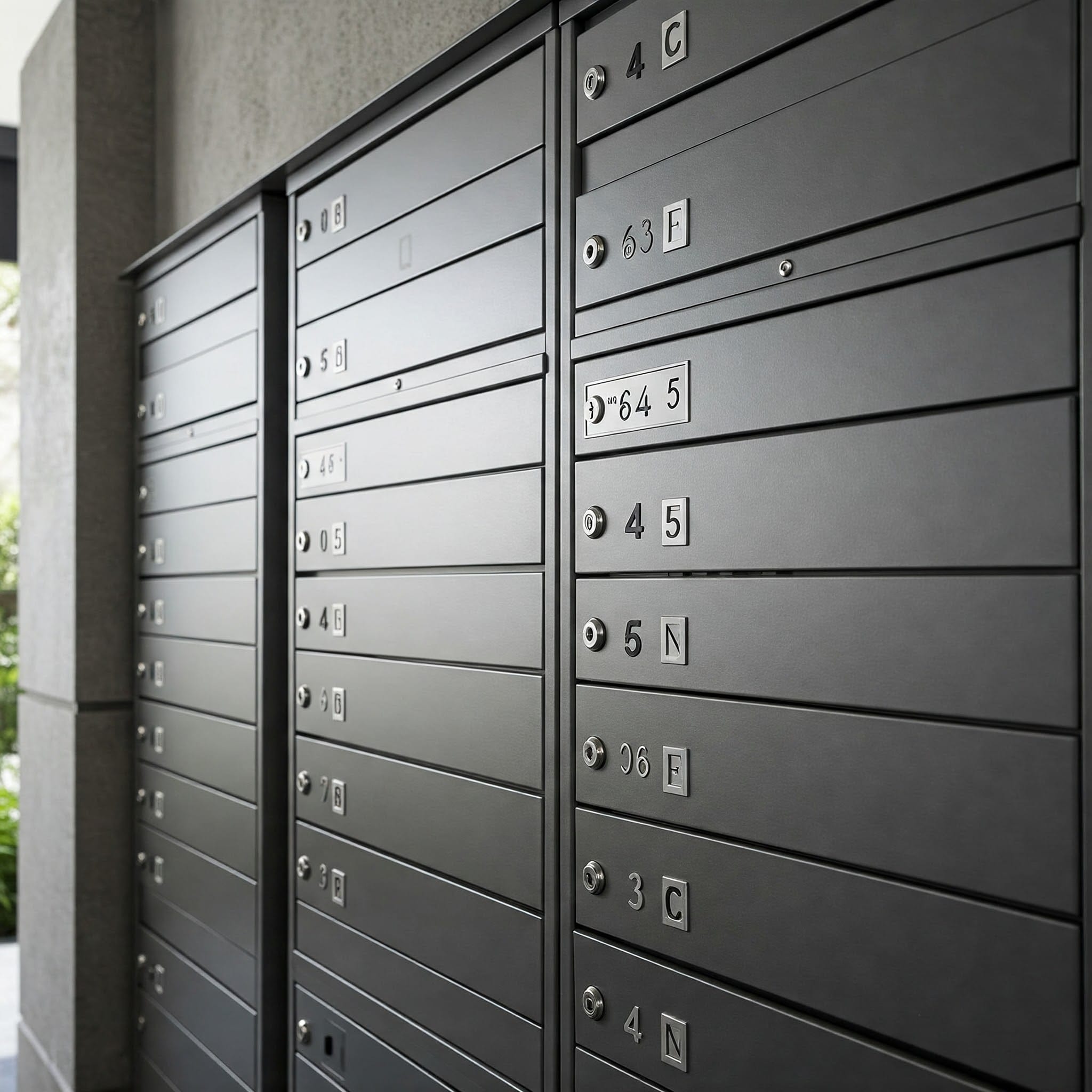
4C Horizontal
USPS 4C horizontal & 4C depot style boxes
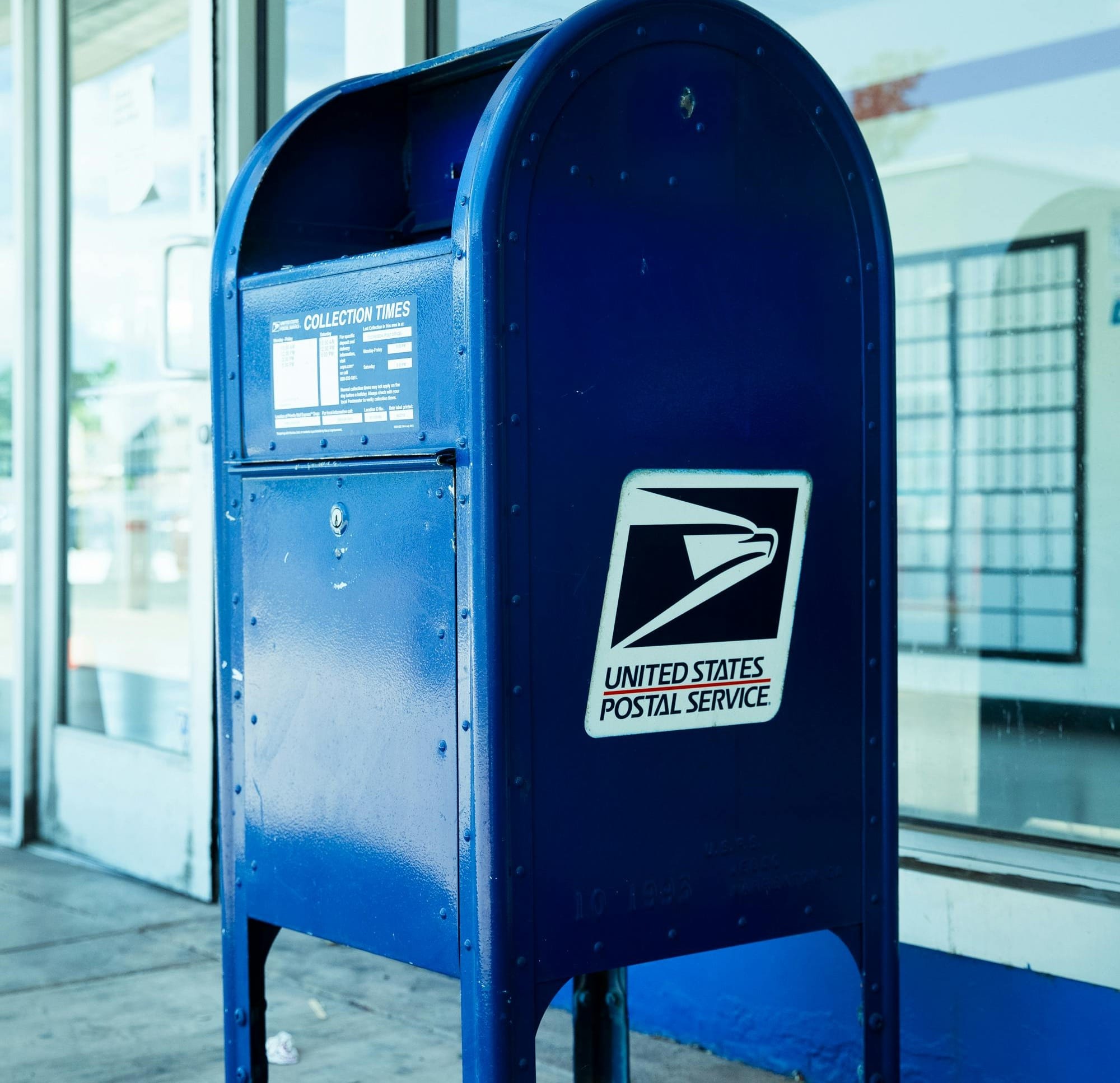
USPS Approved
Commercial, Apartment, & Residential Units
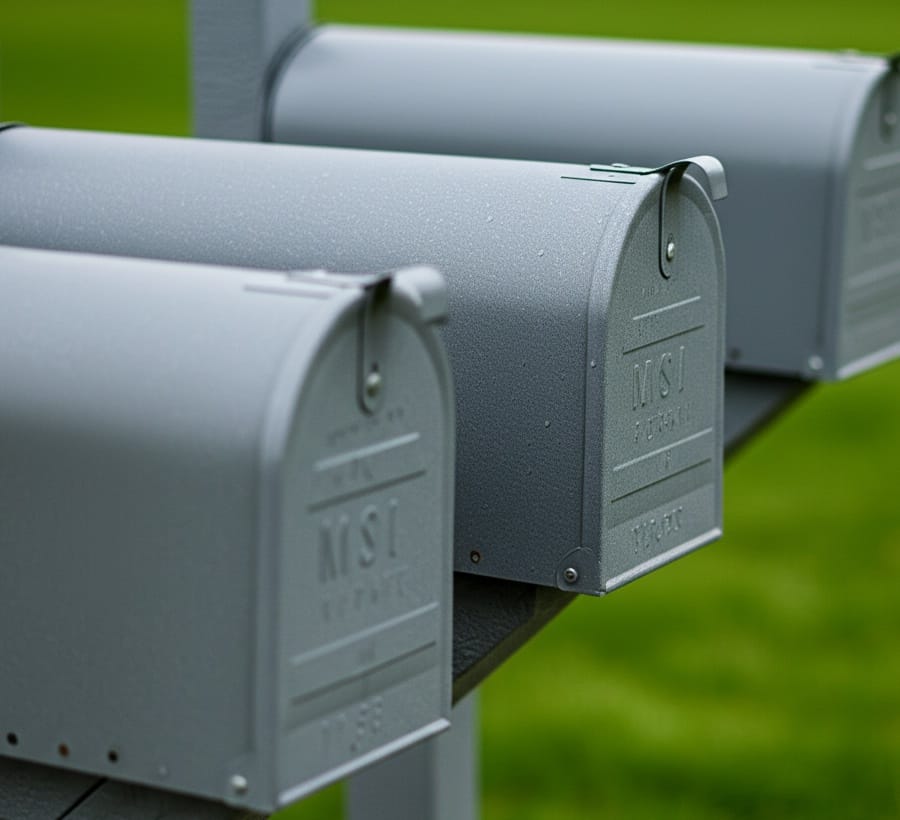
Residential
Quality one-time purchase
Outdoor
Apartments, schools, or businesses
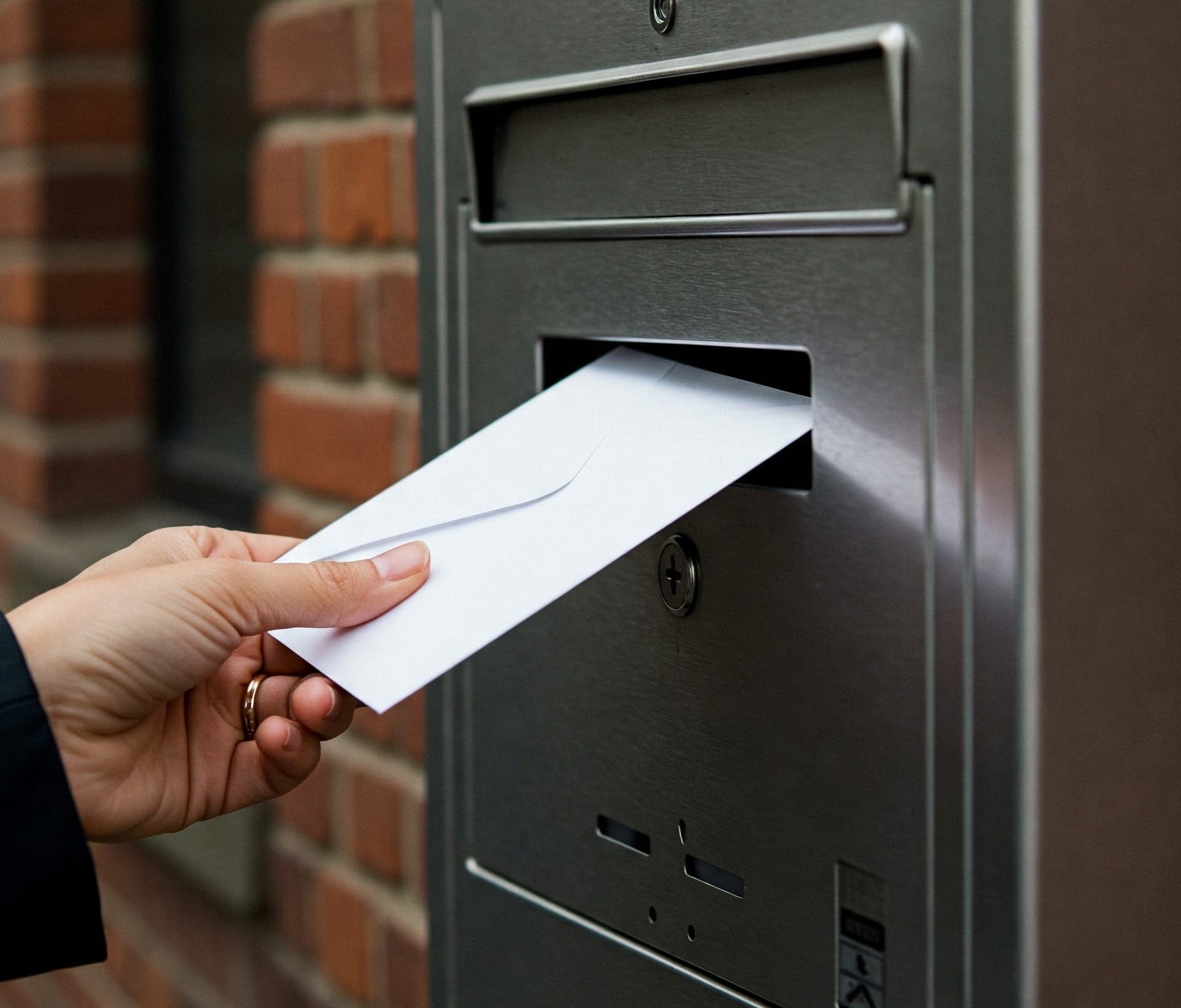
Drop Boxes
Parcel & package receptacles